Inside a Tournament Day
Published September 28, 2026 | 6 min read
A tournament day starts long before the first ball is struck. Players are usually awake by seven, checking the order of play and the weather, and most of them are on a practice court within the hour. We spent a full day with the players at a regional event in Almaty to see how it unfolds, from the first rally to the last point.
Early Morning on the Practice Courts
Warm-ups begin around eight, when the courts are still cool and the air is quiet. Coaches keep the first session light: a few rallies from the baseline, some serves and short volleys to wake up the shoulders. Many players also use this time to fix one shot they missed in their last match, often with a ball machine set to the pace they expect to face.
Physiotherapists are usually the first people on site. They tape ankles, work on tight calves and check for any niggles left from the previous day. For a player with a sore knee, twenty minutes on the treatment table can decide whether the match is played at full strength or on a reduced plan.
Between the Lines
Once the order of play is posted, the schedule shapes the whole day. A morning match can start at 10:00 and finish after lunch, while an evening session may not begin until 7:00 pm. Players plan meals, naps and hydration around those times, and they rarely change a routine that has worked at earlier events.
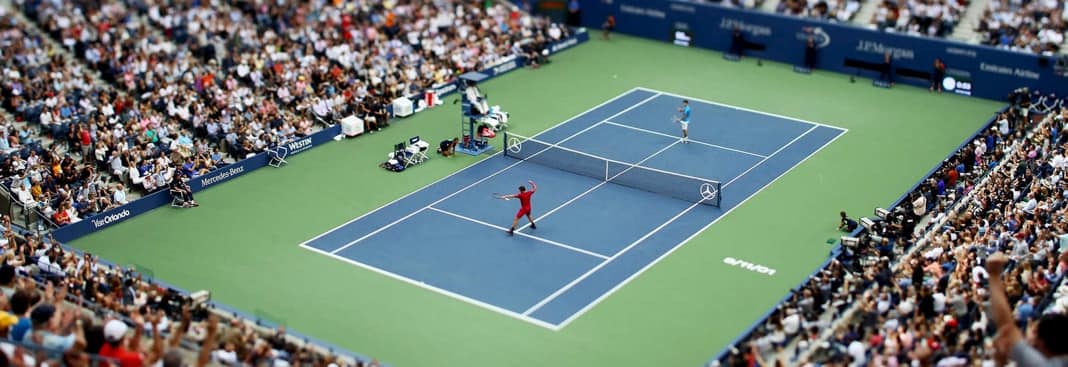
During a match, the most noticeable thing is the quiet between points. Umpires keep the pace, ball kids reset the towels and the players spend each changeover in short, focused talks with their coaches. The advice is usually simple: move the feet, stay patient on the return and do not chase the winner too early.
After the Final Point
A win brings interviews, photographers and a quick towel-down by the net. A loss can be just as busy, and many players head straight to the cool-down area to review the statistics on their phones. The routine usually ends with an ice bath, a light stretch and a late meal shared with the team.
Tournament days are long, and the players who last are the ones who protect their energy. Sleep, stretching and careful planning often matter as much as the shots themselves, and the best teams treat recovery as part of the match.
